

The Strange History of Spiritualism and the Ouija Board

Updated: Sep 5
Long before the Ouija board became a Halloween staple, Americans were gathering around candlelit tables, hoping to communicate with the dead.
In the 19th century, this practice became part of a growing movement called Spiritualism—the belief that the spirits of the dead could communicate with the living. And while the movement is usually traced to an unusual series of events in New York, Ohio became one of its most fascinating centers.
The Rise of Spiritualism
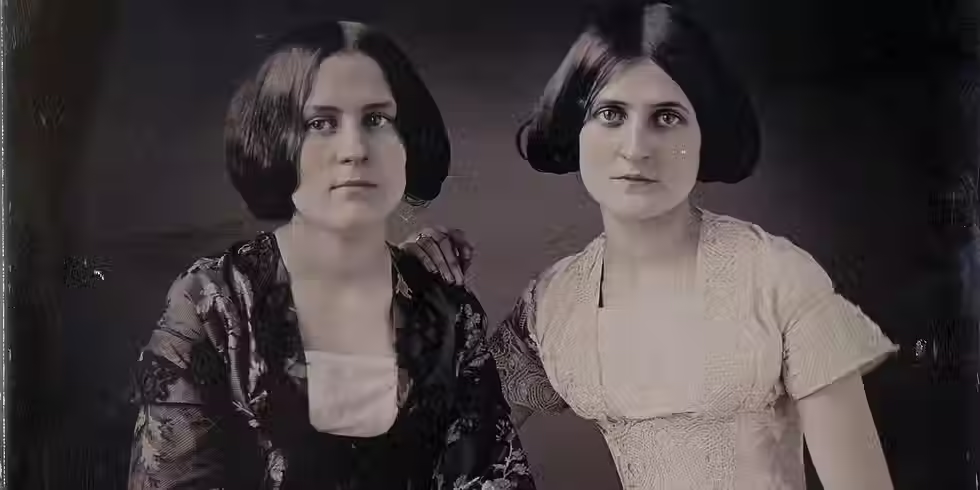
The modern Spiritualist movement began in 1848, when sisters Maggie and Kate Fox claimed they could communicate with a spirit through mysterious rappings in their home in Hydesville, New York.
The story spread like wildfire. Mediums appeared across the country, séances became fashionable, and Spiritualism attracted everyone from devoted believers to curious skeptics.
The movement became particularly powerful after the Civil War. With hundreds of thousands of Americans dead, countless families were desperate for reassurance that their loved ones still existed somewhere beyond the grave.
Spiritualism offered an extraordinary promise: death might not mean the end of communication.
Ohio's Spirit Rooms
Ohio quickly became fertile ground for the movement.
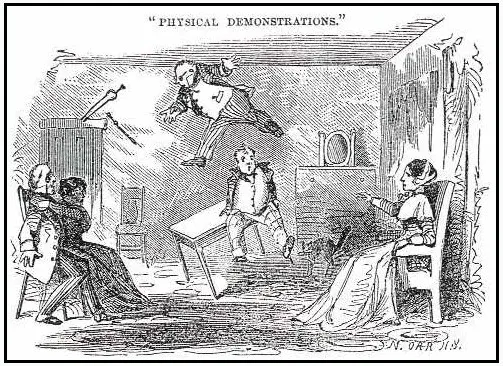
In Athens County, farmer Jonathan Koons created what became known as a Spirit Room during the early 1850s. Visitors gathered there to witness mysterious sounds, movements, writing, and other phenomena that Koons attributed to spirits.
People traveled considerable distances to see the room for themselves. Whether the phenomena were supernatural or the result of tricks, suggestion, or other explanations, the enthusiasm was real.
Ohio had become part of America's growing fascination with the unseen.
And eventually, that fascination would produce one of the most recognizable objects in paranormal culture.
From Séances to Talking Boards
Communicating with spirits through knocks could be slow, so Spiritualists began experimenting with other methods.
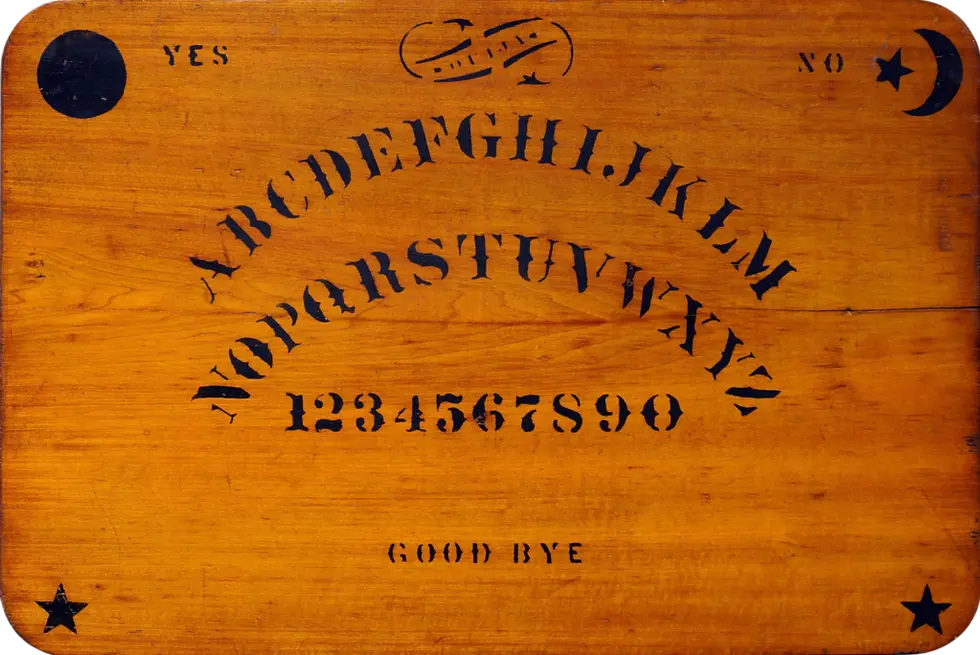
One was the planchette, a small wooden device that moved across paper to supposedly produce spirit-written messages. Eventually, people began using boards printed with letters, numbers, and words.
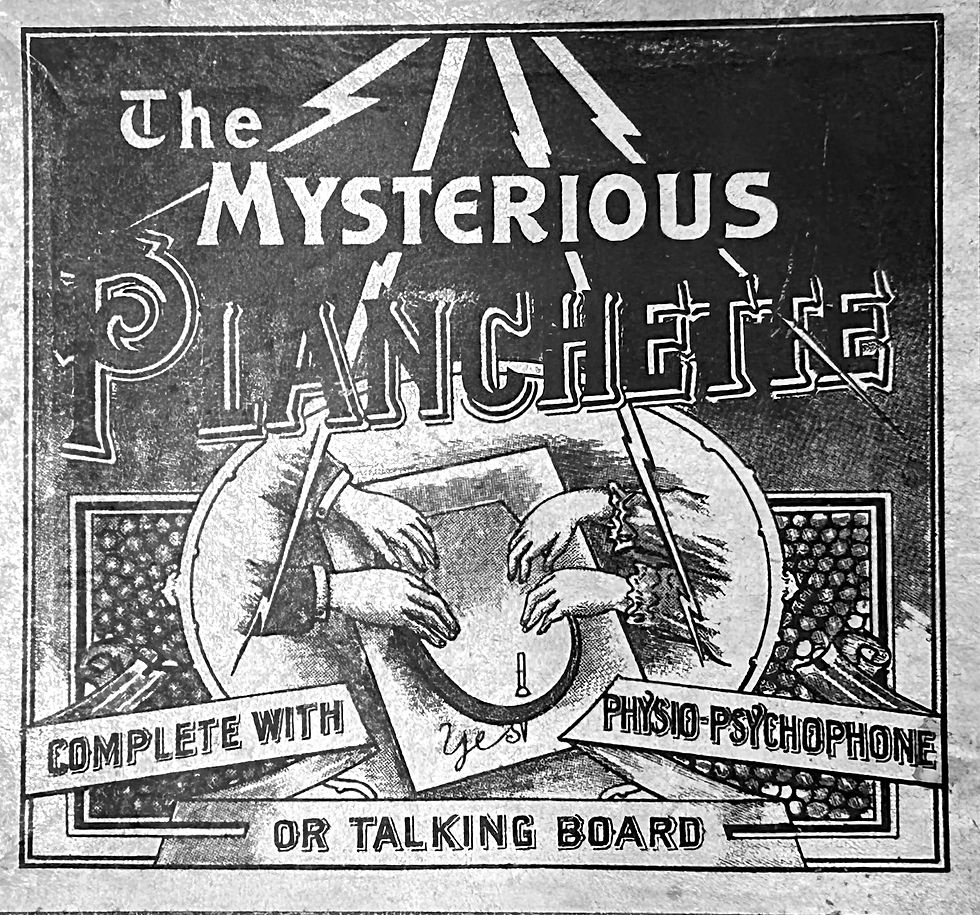
By the 1880s, "talking boards" had become a craze in northern Ohio, with newspapers reporting their popularity in communities including Youngstown, Canton, Akron, Warren, Mansfield, and Elyria.
The technology was simple: place your fingers on a small pointer and let it move from letter to letter.
The Ouija Board
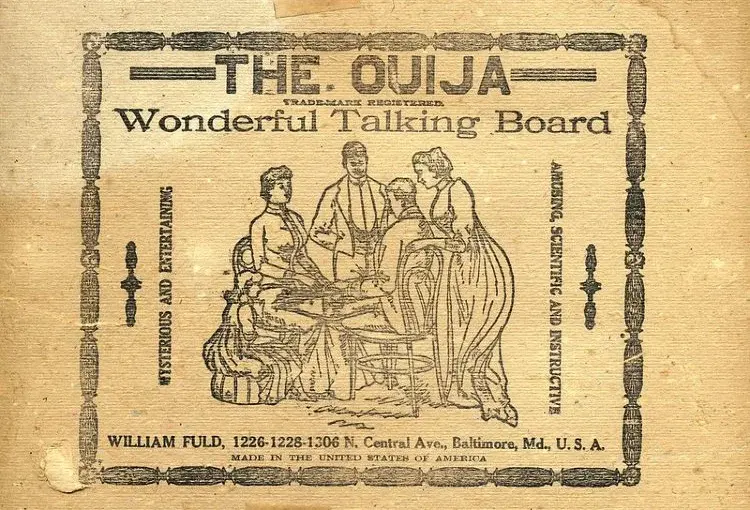
In 1890, businessman Charles Kennard and several partners formed the Kennard Novelty Company manufactured a commercial talking board. Attorney Elijah Bond patented the device in 1891.
The famous story says that Bond's sister-in-law, Helen Peters, was a medium. During a séance, the group asked the board what it wanted to be called.
The pointer reportedly spelled: O-U-I-J-A.
When asked what the word meant, the board supposedly answered, "Good luck."
The popular claim that "Ouija" combines the French oui and German ja—both meaning "yes"—is probably folklore that developed later.
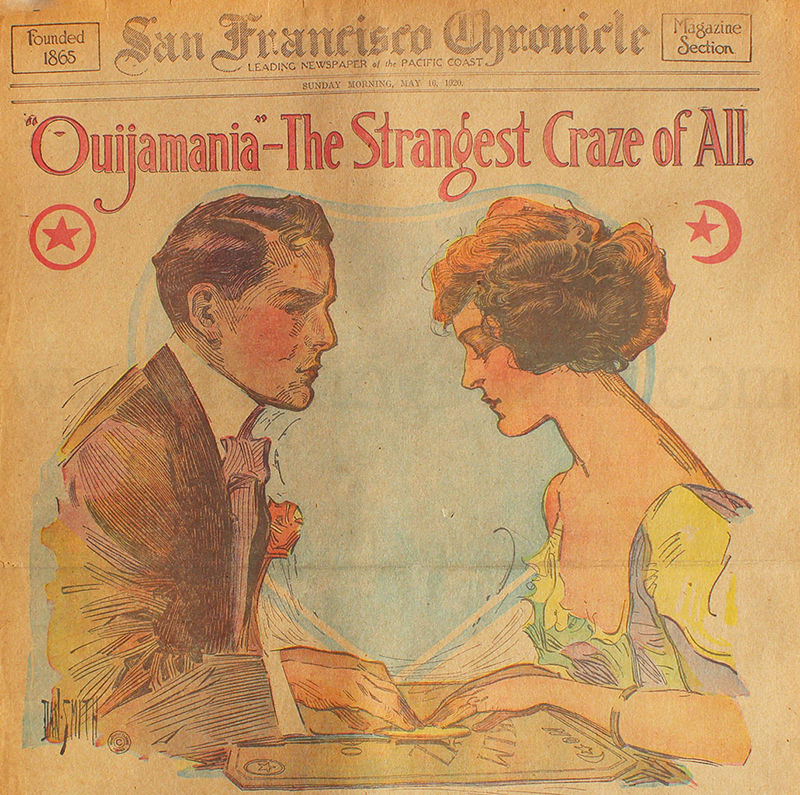
Whatever the origin of the name, the board quickly transformed from a Spiritualist tool into a popular parlor novelty.
From Spiritualism to Horror
The Ouija board's journey is almost stranger than its reputation.
What began as part of a 19th-century fascination with communicating with spirits eventually became a children's game, a cultural curiosity, and—thanks largely to movies and popular culture—a symbol of supernatural horror.
But beneath the spooky reputation is a fascinating piece of American history.
Spiritualism grew from a desire to understand death and communicate with those who had been lost. Ohio became an important laboratory for that fascination, from Jonathan Koons' Spirit Room to the talking-board craze of the 1880s.
The Ouija board was the next step: a simple device promising to let ordinary people ask questions of the invisible world.
And perhaps that's why it has endured for more than a century. Because behind every Ouija board is the same ancient question that inspired Spiritualists in the first place:
What if the dead could answer?
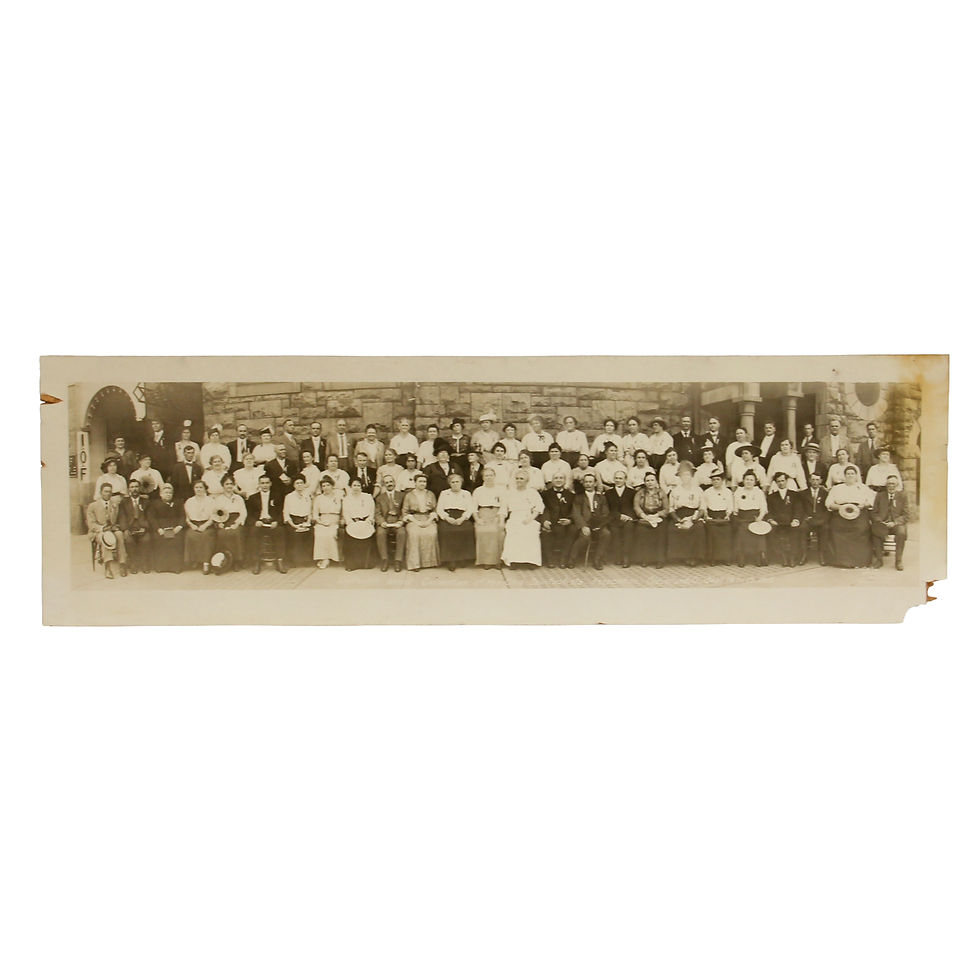
1915 Spiritualists Convention Photograph, Cleveland Ohio
Own this piece of history in our September 10, 2026 Fine Estates auction.

